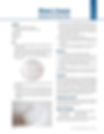
These two activities will get kids up and moving as they walk through the various stages of cell division. It’s a broad-brush look at both mitosis and meiosis to help kids establish the main sequence of events as well as the differences between the two. These two types of cell division can be confusing. Having numerous interesting but different activities to engage with the concepts can help teach and solidify student understanding.
Use this to learn and reinforce answers to questions such as:
❑ How does meiosis differ from mitosis?
❑ How many cells are made during mitosis? Meiosis?
❑ When does the DNA replicate?
❑ What are homologous chromosomes?
❑ How are chromosomes counted?
❑ If offspring inherit half their DNA from each parent, why aren’t they all identical?
Once students walk through the sequence of events, they can capture their observations using the included Lab Notes or probing questions included in the instructions.
Note:
Answer Keys and Teacher Notes address most questions and issues that might arise in this study—you shouldn’t have to do any outside research unless you want to.
Concepts Addressed
♦ Chromosomes divide during mitosis and meiosis
♦ During mitosis two identical cells result
♦ During meiosis, four non-identical gametes result
Materials Needed
Nonconsummables: a few meters of rope, rubber bands (1 per student)
Prep Time It will take time to make the rope chromosomes, but once made they should last for years.
Teaching Time Each of the two labs take about 40 mins.
Student Sheets Scaffolded writing prompts & lab reporting